Índice
A relaxing living space depends on more than a polished look. This guide shares 11 practical suggestions for adding warmth and easing daily routines, not for creating a perfect room.
People work, rest, play, and host friends in the same house. Temperature, airflow, clear surfaces, and thoughtful design can shape how a space feels each day.
Try warm light, calming colors on walls, useful furniture, plants, and simple decluttering. Seasonal bedding can also help. Small changes can refresh a living room or kitchen without a major renovation. Family photos or a moved lamp may shift the mood, too.
Still, visual coziness is not the same as lasting comfort. Drafts and stuffy rooms may need more than decor to address. Sealed customer Nicole T. says the process felt easy and worry-free. Gretchen H. says her home stayed more consistent. Their experiences introduce practical tips for a space that works well day to day.
Home Comfort Ideas That Make Your Space More Relaxing
The best room updates begin with how you use each corner, not a catalog photo. Home comfort ideas should fit your budget, daily routine, and available space. Try one change at a time, such as adding cushions or moving a chair.
Start With Small Changes That Suit Your Home
Choose details that suit the size and purpose of your house. Soft textures, warm lighting, and a new furniture layout can shift the look without a large project. Pick colors that work with your existing finishes.
Balance Comfort, Style, and Everyday Use
In a small living room, a storage ottoman or a sofa bed can serve more than one purpose. Keep pathways and useful surfaces clear to reduce clutter. These flexible ways to make a space feel calm can grow with your needs over time.
| Shade | Works well with | Effect |
|---|---|---|
| Beige or cream | Wood and woven fabrics | Soft, neutral base |
| Light brown or warm white | Simple furniture | Bright, gentle look |
| Soft gray or earthy green | Plants and natural materials | Quiet, grounded feel |
| Dusty pink | Warm neutrals | Subtle color accent |
Set a Softer Mood With Warm Lighting
Thoughtful lighting is one of the simplest home comfort ideas to apply. In a room used for reading or relaxing, the right mix can make home feel calmer and help it feel warm without changing the decor.
Choose Warm LED Bulbs and Dimmable Lights
Choose warm or yellow LED bulbs for a softer glow. Some bright-white or blue hues can seem harsh, especially in the evening. Dimmers let you adjust the level, while a table lamp or fairy lights add a gentle option for quiet hours. These choices can support comfort and reduce energy use when you switch off unused lights.
Layer Lamps With Natural Light
Daylight can make a space seem open. Sheer or white cotton curtains soften strong sun and help deflect some summer heat while letting natural light in. Combine window light with lamps instead of relying on one bright overhead fixture. This way, a house can suit focused tasks by day and create a calmer mood for living in the evening.
| Lighting choice | Best use | Effect |
|---|---|---|
| Warm LED bulbs | Evening reading | Soft, gentle glow |
| Dimmable lights | Shared room use | Adjustable brightness |
| Sheer curtains and lamps | Day-to-evening shifts | Balanced natural and soft light |
Choose Calming Colors for Walls and Decor
Color can change the feeling of a room before you move a single chair. Research links wall and accent-decor colors with shifts in mood and energy, so a palette can help set the tone for daily living. For home comfort ideas, begin with the people who use the space and what they do there.
Use Warm Neutrals and Earthy Shades
Beige, cream, light brown, soft gray, warm white, earthy green, and dusty pink offer calm starting points. No one shade suits every house; choose colors based on the room’s purpose and the people who spend time there.
Warm neutrals can work well on walls, while earthy shades add a smaller accent through decor, art, or a lamp. If repainting is not practical, this approach can refresh the look without changing the whole space.
Soft gray, warm white, and beige pair well with wooden furniture and textiles. Test paint samples on different walls, since daylight and evening lighting can alter how each color appears. Use a muted palette where you want a quiet feel, or add dusty pink or green for a gentle lift.
Layer Cozy Textures With Blankets, Cushions, and Rugs
A few tactile layers can make a room feel warm without a furniture change. Wool blankets, cotton cushions, knitted throws, velvet curtains, and soft bedding each bring a distinct texture. In a living room, pair a knitted throw with smooth cushions for contrast and an inviting style.
Rugs add more than color underfoot. An area rug can add warmth and help insulate wood, laminate, or tile floor surfaces. Choose a rug size that fits the seating area, and pick a low pile if people often walk through it.
- Keep blankets near the seats used most often.
- Place rugs so they do not block paths or access to a table.
- Choose fabrics that suit daily use and cleaning needs.
Soft layers can support a pleasant home feel in every season. Use heavier fabrics when temperatures drop, then swap in lighter throws during warmer months. These small home comfort ideas can make the space feel inviting while letting the layout and furniture stay as they are.
Arrange Furniture to Make Room for Conversation
Furniture placement can turn a living room into a natural gathering spot. For these home comfort ideas, start by facing sofas and chairs toward one another. This setup helps family and friends talk without raising their voices across the room.
Create a Welcoming Spot for Family and Friends
Choose seating that fits the space and how people use it. An oversized sofa suits a larger living room, while soft armchairs, cushioned benches, or bean bags can work in a smaller area. Add a side table for drinks, and use soft lighting to make the setting feel welcoming.
Make Small Rooms Feel Open and Functional
Keep clear paths around the table and leave open floor space for easy movement. In a small room, pick useful seating and keep sightlines open instead of adding bulky pieces. A thoughtful layout can make the living room feel open while supporting everyday comfort.
If heat—not furniture placement—makes the room hard to use, a box fan or portable air conditioner may offer temporary relief. These options can help while you look into a longer-term fix.
Welcome Natural Light With Curtains and Window Updates
Sunlight can make a home feel open and inviting in every season. Open curtains during the day to welcome daylight and make a small space feel brighter.
Choose window treatments based on each room’s use and privacy needs. Sheer or white cotton panels soften strong sun and can deflect some summer heat.
In winter, fabric panels add texture and may provide extra insulation near the glass. This simple change can support comfort and may help limit heat loss. For practical home comfort ideas, consider both appearance and seasonal needs.
Window coverings do not fix every draft, however. Air leaks often occur around windows and doors, even in a well-kept house. If a living area stays chilly, inspect seals and weatherstripping rather than relying on decor alone.
Good window updates can shape how the room feels, but they are not a substitute for repairing gaps. Sealing leaks can reduce unwanted airflow and help manage energy use. Balance privacy, natural light, and insulation to make the space work throughout the year.
Surround Yourself With Meaningful Photos, Books, and Art
Personal details can make a living room feel like it belongs to the people who live there. Family photos, travel pictures, handmade art, and sports keepsakes add character. Choose pieces that bring a real memory or story to mind.
Photos of family, friends, and places you have visited can spark happy memories. Personalized wall art and travel souvenirs also help a home reflect its residents. These home comfort ideas work best when each item has a reason to be there.
Display a few favorite pieces on shelves, walls, or a table. Keep space around them so the room does not feel crowded. A small, thoughtful selection can feel more welcoming than many items competing for attention.
- Set favorite books beside a chair or on a shelf.
- Group photos from a trip with a meaningful keepsake.
- Hang handmade art where people can enjoy it.
Choose decor that feels personal, not just stylish. Meaningful books, art, and photos can make the space feel individual while welcoming family and friends.
Clear Clutter to Create a Calmer Living Space
An orderly room can ease daily stress. Research links untidy homes with higher stress, while decluttering may support focus and self-esteem. These home comfort ideas start with small steps, not a full makeover.
Keep Everyday Items Easy to Find
Begin with one shelf or table. Use storage baskets for loose items, clear flat surfaces, and sort shelves on a regular schedule. Put daily essentials where you can reach them. Store seasonal belongings apart so the living room stays useful year-round.
- Group keys, mail, and other daily items in one basket.
- Donate unused things to make space and keep useful pieces easy to spot.
- Move seasonal items to a labeled bin or closet shelf.
Removing extras can leave fewer spots for dust to collect, which may help reduce allergy triggers. Still, there is no need to strip the house of personal touches. Keep meaningful objects, and clear only what gets in the way. Take one small step at a time; these simple ways can make home feel calmer and help the system work for your routine.
Add Plants and Natural Materials for a Fresh Feel
Natural details can bring a fresh note to everyday spaces. Pothos is an easy-to-grow houseplant, and other indoor plants can add color and a natural feel to a room. Place smaller plants on a shelf, table, or windowsill where they can brighten the area without blocking daily use.
Plants can support a relaxing style, but they do not replace air filtration. Wired estimates that about 80 plants per room would be needed to make a significant impact on indoor air quality. For cleaner air, a heat-pump central HVAC system offers a more effective way to filter air than decor alone.
Pair greenery with natural materials for a layered look. Try wooden furniture, stone accessories, wicker baskets, bamboo shelves, or linen fabrics. These choices can make a house feel connected to nature and add visual comfort without using much energy. Pick a few items that suit your living space, rather than filling it with extras. Natural touches work in homes of many sizes and can refresh the look of your home while keeping the layout practical.
Make the Bedroom a Restful Place to Recharge
A bedroom should help you slow down and recharge after a busy day. Small home comfort ideas can support better rest without a major update. Focus on bedding, temperature, and a calmer setup.
Choose Bedding for the Season
For healthy sleep, aim for an overnight temperature between 60°F and 68°F. Personal needs can vary, so adjust the setting if you wake up too warm or cold.
Flannel sheets suit cold winters, while linen or performance-cotton bedding can feel cooler in summer. Swap heavy winter layers for lighter blankets as seasons change to keep the home feel pleasant year-round.
Keep the Room Peaceful and Uncluttered
Soft light, blackout curtains, and a gentle scent can help set a restful mood. A soft rug beside the bed feels pleasant underfoot when you get up.
Put away items that gather clutter, and choose calm colors for bedding or decor. These simple choices can make the space feel peaceful and give every family member a quiet place to rest. This bedroom setup can support better rest throughout the house.
| Bedroom choice | Best time to use it | Purpose |
|---|---|---|
| Flannel sheets | Cold winter nights | Add a warmer layer |
| Linen or performance-cotton sheets | Warm summer nights | Offer a lighter bedding option |
| Blackout curtains and a soft rug | Any season | Reduce outside light and soften the floor |
Make the Living Room Comfortable for Everyday Time Together
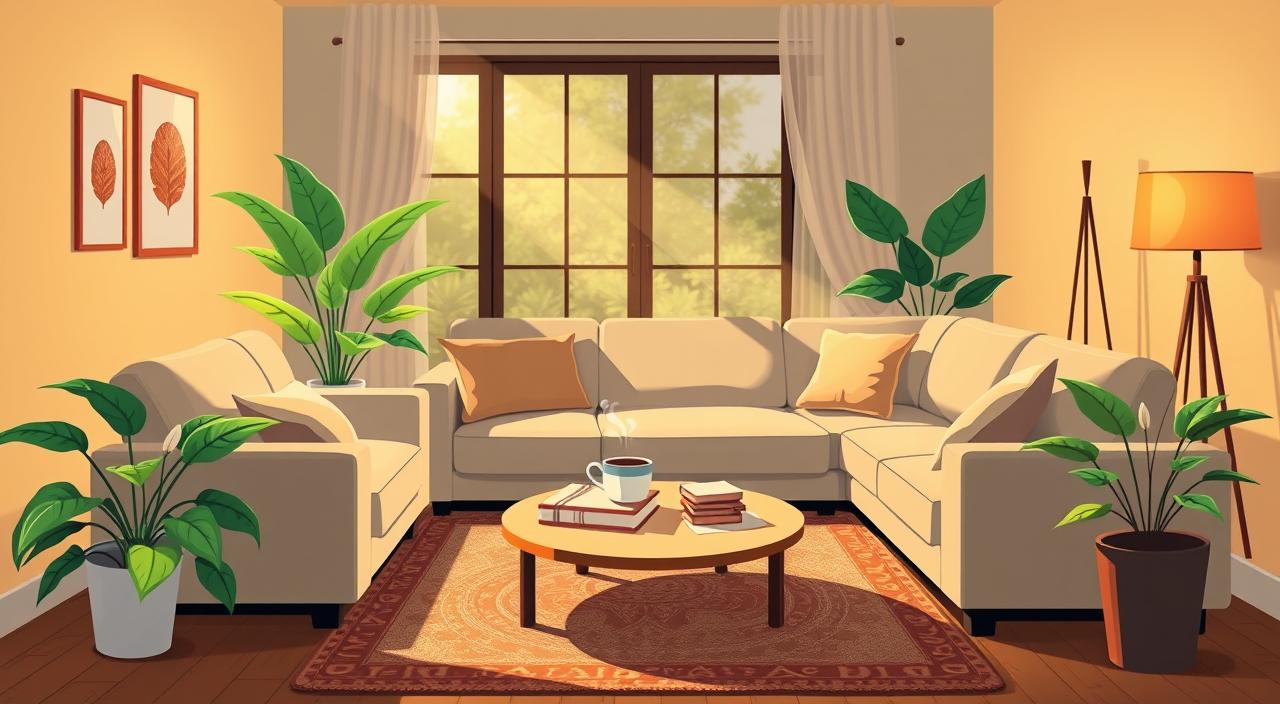
Treat the living room as an everyday gathering place for family and friends. Warm lighting, soft cushions, and layered rugs help the space feel ready for shared time. These home comfort ideas can make the room inviting without a major change.
Arrange seats so people can talk with ease. Keep a table within reach, and leave clear paths to books and other items used often. For more ways to arrange a seating area, explore these living room layout tips.
Keep soft blankets nearby for relaxed evenings, and choose cushions and rugs that suit daily use. Easy-to-clean layers work well when children, pets, or guests use the room often.
Candles, soft music, and calming scents can add a gentle touch. Use candles with care, and keep them away from curtains or busy walkways. Adjust the lights to suit reading, conversation, or a quiet night in.
Display a few meaningful photos or favorite books to add personality. Leave enough open space for people to move around and use the room with ease. Small, useful choices help the house feel welcoming without making it harder to keep tidy.
Add Welcoming Comfort to the Kitchen and Bathroom
A kitchen can serve as a cooking area and a place to gather. A few useful updates can make this space feel more inviting without a large project.
Keep Kitchen Surfaces Clear and Inviting
Clear counters make daily tasks easier and leave room for meal prep. Add warm light, a small plant, or a soft mat near the sink. Wooden shelves can display favorite mugs and dishes while keeping them within reach.
In a busy house, a clear table and open paths help family members share the living area. Choose a few useful accents, rather than filling every surface. These simple touches can refresh the kitchen and make it feel ready for daily use.
Add Spa-Inspired Bathroom Details
Fluffy towels, warm lighting, wooden accents, and calming colors can give a bathroom a restful feel. A small plant or scented candle adds a gentle finishing touch. Keep the counter clear so the room feels open and stays easy to clean.
Thoughtful updates can make both areas more welcoming without a remodel. Start with one change that suits your routine, then add more only if needed.
Improve Indoor Temperature and Airflow for Year-Round Comfort
Stable temperatures can make home feel more pleasant through changing seasons. If one area feels warm while another stays chilly, check airflow before changing the thermostat.
Address Drafts and Uneven Room Temperatures
Cold drafts or hot spots may point to air leaks, weak insulation, or an HVAC issue. A box fan can offer quick relief in an overheated room, but it will not fix the cause. For lasting results, seal gaps, improve insulation, or ask an HVAC professional to inspect the system.
- Check around windows and doors for drafts.
- Notice whether airflow changes from floor to floor or between rooms.
Use a Thermostat Setting That Fits Your Household
As a starting point, try 68°F in winter, 68–70°F in spring and fall, and 72–78°F in summer. The cited U.S. Department of Health and Safety guidance recommends winter temperatures of 68–78°F for older adults and people with health concerns. Adjust settings to suit your household.
A smart thermostat can learn daily preferences and lower energy use when no one is home. These simple ways to make home work better can support year-round comfort without relying on temporary fixes alone.
Conclusion
Small, steady changes can shape a space that suits the way you live. Warm light, calm colors, soft fabrics, personal objects, and clear surfaces can make home feel more welcoming.
Choose updates that fit your room, household, budget, and daily routine. Personal needs matter more than trends. Give each area a purpose: a bedroom for rest, a kitchen for daily tasks, and a living room for time together.
Decor helps, but lasting comfort also depends on airflow and temperature. Seal drafts, check insulation, and use a smart thermostat to manage energy through changing seasons. Start with one or two simple home comfort ideas, then build on what works.