
Índice
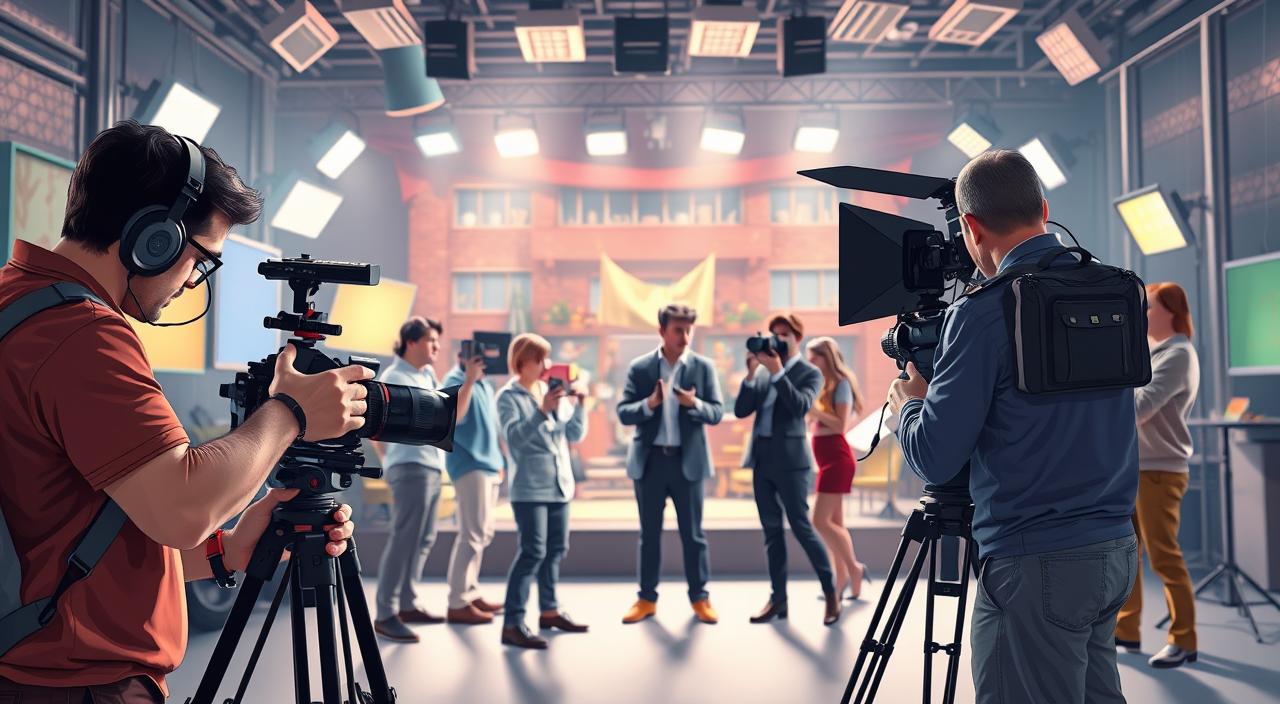
A finished film may feel seamless, but many creative choices shape each moment. Behind-the-scenes filmmaking reveals how planning, performance, and craft turn an idea into a movie. It also shows how people work together, from pre-production through camera work, editing, sound, and release.
Audiences value an honest view of that process. Stackla reports that 83% of consumers consider authenticity when choosing which brands to support. Noble Bison Productions’ guide, updated January 27, 2026, reports that 87% of audiences enjoy BTS content about brands they follow. It also notes that BTS posts can earn two to three times more social media engagement than polished promotions.
These extra moments complement a finished movie; they do not replace it. One shoot day can yield 10–20 pieces of scenes content for blogs, newsletters, and social media. Even 15 minutes of attention during a shoot may provide weeks of useful media. A short video can capture a crew’s choices, while a behind scenes look can make a brand or company feel more human.
Next, explore each stage of production and see how BTS records the work. From a set to a red carpet, the movie premiere process also shows how teams prepare to share a film with audiences.
What behind the scenes filmmaking reveals about movie production
A making-of shows how creative choices and skilled labor shape a finished story. It uses production footage, interviews, and candid moments, rather than replaying scenes from a film. Viewers can see how a director and crew solve problems and bring ideas to life.
Making-of footage and the people behind a finished film
Some film historians point to Vitagraph’s 1908 short Making Movie Pictures: A Day in the Vitagraph Studio as an early making-of. In 1920, A Tour of the Tom Ince Studios offered exhibitors a look inside a silent-movie studio. During the 1930s, studios used BTS video to promote actors, new technology, and upcoming releases. Production of this material faced limits in the 1950s after the Paramount Decree, then grew again as television promotion rose in the 1960s.
How content gives audiences a closer look
Today, BTS content can share crew perspectives, short clips, and unscripted action beyond a movie’s final cut. Netflix’s Tudum offers videos about its shows and films, including interviews and details about the creative process. This scenes content helps audiences understand how screen moments take shape. It also gives people a clearer view of the work involved, while keeping each video distinct from the finished movie.
From early ideas to a filmable story
A spark becomes a film when someone gives it shape, stakes, and a clear path forward. Early ideas grow into a story through concept work, character choices, and screenplay drafts. For filmmakers, this process also means checking what a production can support.
Developing the concept and shaping the screenplay
Strong ideas can lead to intimate short films or ambitious features. Mike Figgis’ Megadoc (2025) documents Francis Ford Coppola’s effort to make Megalopolis. Orson Welles’ long effort to complete The Other Side of the Wind appears in They’ll Love Me When I’m Dead (2018). These films show how a vision can shape a complex project.
Revising scenes for characters, budget, and screen time
Writers revise scenes to keep characters vivid and production practical. Each change should protect core ideas while considering budget, schedule, performance, and screen time. A useful checklist helps teams decide what to keep:
- Does each scene move the story forward?
- Can the cast and crew shoot it within available time?
- Does its content support character and tone?
From Darkness to Light (2024) explores Jerry Lewis’ unfinished The Day the Clown Cried, a reminder that plans and production realities can diverge. What filmmakers need to know: a script is one part of creative work, not a promise that every idea will reach video.
Pre-production: planning the shoot
Pre-production turns a script into a workable plan. It links ideas to a budget, schedule, locations, gear, and clear crew duties. This early process helps a director prepare for each shoot and avoid costly surprises.
Location scouting and choosing the right settings
Location scouting checks whether a place fits the story and practical needs. The team reviews access, noise, light, permits, and travel time. A site visit can reveal issues before an event or filming day.
Scheduling, budgeting, and coordinating the production team
A detailed schedule pairs each scene with its location, cast, and equipment. The budget tracks key costs, while clear assignments help people prepare. For BTS content, Noble Bison recommends setting goals, naming the audience and platforms, and assigning one person to record it.
How the assistant director keeps the project on track
The assistant director shares timing, safety notes, and daily requirements with the crew before action begins. A second assistant director may help coordinate updates on set. For simple video capture, pack a smartphone or GoPro, stabilizer, clip-on or wireless mic, spare batteries, and storage.
| Planning need | Practical choice | Why it helps |
|---|---|---|
| Location scouting | Check access, sound, and permits | Confirms the setting suits the plan |
| BTS capture | Assign a recorder and basic gear | Keeps content from being an afterthought |
| Daily coordination | Share schedule and requirements | Helps the production company stay on time |
Creating the movie’s world on set
A film’s visual world gives story ideas a physical form, from worn furniture to a carefully placed window. Designers guide people through place, time, and mood with color, texture, and shape. In short films, one strong detail can do more than a large build.
Set design, props, costumes, and makeup
Props, costumes, and makeup give each scene a clear identity. A set can make a product feel lived-in, while wardrobe and makeup help performers embody a character. Noble Bison suggests time-lapse footage of construction or gear setup, sped up 10–20 times. This video can show crew work and make a BTS content piece useful for fans.
Before-and-after comparisons show how a raw location becomes a dressed space. A camera can capture lighting changes as team members shape shots; lighting reveals how an unlit room becomes a composed shot ready for action. Wardrobe changes and makeup transformations also offer natural moments to record during a shoot.
Building or adapting locations to support story
Production designers may build a room from scratch or adapt an existing place to fit story needs. Paint, fabric, signs, and practical lamps can shift mood without changing a location. Careful choices keep visual details consistent across each scene.
The director, cast, and crew working together
A film depends on shared judgment as much as individual talent. Cast members need clear direction, while each team balances performance goals with sound, light, and timing. During an event or a complex setup, quick updates help everyone prepare for action without slowing production.
How filmmakers coordinate creative and technical decisions
A director explains tone, movement, and intent. Then, a team turns that guidance into practical choices. Clear cues help performers and crew respond with confidence and keep a shoot on schedule.
- Share each scene’s creative aim before a take.
- Confirm cues with cast and crew.
- Keep notes brief so every team member can act on time.
Corman’s World: Exploits of a Hollywood Rebel (2011) features interviews with Martin Scorsese, Jonathan Demme, Peter Bogdanovich, and Ron Howard about Roger Corman’s influence. Directed by John Ford (1971) adds collaborators’ recollections, giving filmmakers more than one view of his career.
These moments show how shared work shapes a movie, though each production follows its own path. Candid BTS content, from a short video to thoughtful interviews, can capture that collaboration as one part of a larger creative process.
Cameras, lighting, and capturing the shots
Framing and movement give a film its visual rhythm. A camera plan also gives editors choices when they build each scene. Teams can match a shot to story needs, available time, and music cues.
Choosing camera setups and planning coverage
A shot list maps angles and coverage before a shoot begins. During production, a director’s monitor can show viewers what a main camera sees. Noble Bison recommends filming this view as useful bts footage. Brief crew role clips can add context; introduce each team member in a 10–15-second video.
Using lighting and camera movement to shape a scene
Lighting changes mood, depth, and detail. A BTS setup reveal can make this process clear in short-form content. Dolly tracks, jib arms, Steadicams, and drones show how crews create motion. Each shot can guide attention, while lighting helps action read on screen. Together, these choices shape a scene without extra explanation.
| Tool or choice | What it shows | Value during a shoot |
|---|---|---|
| Director’s monitor | Framing in real time | Shares a clear view of camera choices |
| Dolly, jib, Steadicam, or drone | Different types of movement | Reveals how crews create a moving shot |
| Lighting setup | Changes in mood and detail | Connects technical process to screen results |
Capturing authentic behind-the-scenes moments
Authentic BTS content feels natural, not like a polished ad. Short, candid clips can show how people work and give viewers a useful look at a film’s production.
Interviews, crew features, bloopers, and moments between takes
Brief interviews and crew introductions give each person room to explain their role. Noble Bison recommends 10–15-second introductions. Bloopers, wrap moments, and exchanges between takes can add warmth. Ask for consent before recording, especially at an event or when a product or brand appears.
Planning BTS footage for social media and promotional content
Set goals during pre-production so a company can capture useful footage without distracting its crew. Match each video to its platform and audience. Vertical clips suit quick updates; longer features allow more context. This plan helps turn one shoot into varied media for fans and clients.
| Platform | Suggested length | Format |
|---|---|---|
| Instagram Stories and Reels | 5–15 seconds | Vertical, 9:16 |
| TikTok | 15–60 seconds | Short vertical video |
| 30–90 seconds | Professional updates | |
| YouTube | 3–10 minutes | Horizontal, 16:9 |
Use concise clips for social media and save fuller interviews for making-of videos. This approach keeps scenes content engaging while giving audiences a genuine view of crew contributions.
Editing footage into a coherent movie
An editor turns hours of recorded material into a clear path for viewers. During post-production, editors review each take, compare performances, and assemble scenes with deliberate pacing. They remove weak moments, preserve useful reactions, and choose shots that carry story forward. A temporary music track can help test rhythm, while short clips may later support a separate video or promotional content.
Selecting takes and shaping each scene
Editors label footage and sort it before making a rough cut. Noble Bison recommends folders such as “BTS_Setup,” “BTS_Interviews,” and “BTS_Bloopers” as soon as files arrive. This simple process saves time and makes each video easier to find.
Long documentaries show why selection matters. Crystal Lake Memories: The Complete History of Friday the 13th (2013) runs six hours and 40 minutes. Never Sleep Again: The Elm Street Legacy (2010) runs four hours. Both films cover extensive material, yet a clear structure helps audiences follow each topic.
How visual effects and color work refine a cut
After editors lock a cut, visual effects repair or extend images, while color work balances tone across every shot. These choices keep a movie coherent and ensure each scene feels purposeful. Careful editing gives production footage a focused shape before final review.
Adding sound, dialogue, and music
Sound design helps each moment feel clear and immersive. A careful mix lets voices, effects, and room tone work together without crowding one another.
Recording dialogue, effects, and ambience
During post-production, editors clean dialogue, place effects, and blend ambient sound. This editing work keeps speech easy to follow while adding a sense of place. A single shot may need distinct levels for a voice, a door slam, and quiet room tone.
Jim & Andy: The Great Beyond (2017) pairs new Jim Carrey interviews with BTS footage from Man on the Moon (1999). Hearts of Darkness: A Filmmaker’s Apocalypse documents work on Apocalypse Now. Such material can support a separate video with its own dialogue and ambience.
Using music to strengthen mood and storytelling
Music can build tension, signal change, or deepen emotion, but it must stay balanced with dialogue and key effects. A composer and mixer shape music around each moment rather than covering important sound. BTS videos may use a different music bed to give promotional content its own tone.
| Audio element | Mixing choice | Purpose |
|---|---|---|
| Dialogue | Keep voices clear | Help viewers follow story details |
| Effects and ambience | Set levels by moment | Add place and impact |
| Music | Balance with other sounds | Support mood without distraction |
From final cut to audience
Release planning starts when a cut feels complete. The team checks picture, sound, captions, and credits, then confirms each file meets delivery rules. This final review helps prepare a film for theaters, streaming, and home viewing.
Reviewing the finished film and preparing it for release
Before launch, teams check that each scene reads well and supports the story. They also set a release date and plan how viewers will find the movie.
- Confirm final files, captions, and credits.
- Set a schedule for each release event.
- Choose media that fits the audience.
Making-of features, streaming extras, and audience promotion
An EPK video can promote theatrical films or appear as a DVD or Blu-ray extra. These BTS features give fans context beyond the finished story.
In the 2020s, streaming services also host BTS content. Netflix’s Tudum shares material about its shows and movies. This keeps useful production media available after release.
Short clips, interviews, and longer videos give a company options for social media. A clear content plan can draw attention without taking focus from the movie. BTS scenes content can also extend a brand’s reach after a shoot. Teams need know which format suits each audience, then share content across social media and other media channels.
Conclusion
A movie brings creative teams and audiences together by showing people and decisions that turn an idea into a finished story. From early development and pre-production to set design, camera setups, editing, and sound, each stage relies on clear choices.
BTS footage shows technical craft alongside candid moments. Making-of documentaries offer examples of how scenes take shape and how collaboration supports a film.
Noble Bison reports that BTS content can earn two to three times more social engagement than polished promotional posts. When teams plan capture during pre-production, one shoot can yield 10–20 extra media pieces for audiences and a brand. A short video can extend reach while keeping focus on finished work.